Food & drink in Serbia
Serbia, a hidden gem in Southeastern Europe, beckons food lovers with its rich culinary heritage and vibrant dining scene. From hearty traditional dishes to unique beverages, this Balkan beauty offers a feast for the senses. With a friendly vibe and a touch of humor, explore the mouthwatering world of food and drink in Serbia.
Traditional Serbian cuisine
Must-try Serbian dishes
Serbian cuisine is a delightful blend of flavors, drawing inspiration from its diverse cultural influences. A trip to Serbia isn't complete without sampling ćevapi, grilled minced meat sausages served with fresh bread and onions. For a hearty meal, try sarma, cabbage leaves stuffed with meat and rice, simmered to perfection. Don't miss ajvar, a roasted red pepper relish that's a staple at any Serbian table. And if there's room for dessert, krofne-Serbian doughnuts dusted with powdered sugar-are a sweet treat to savor.
Unique dining experiences
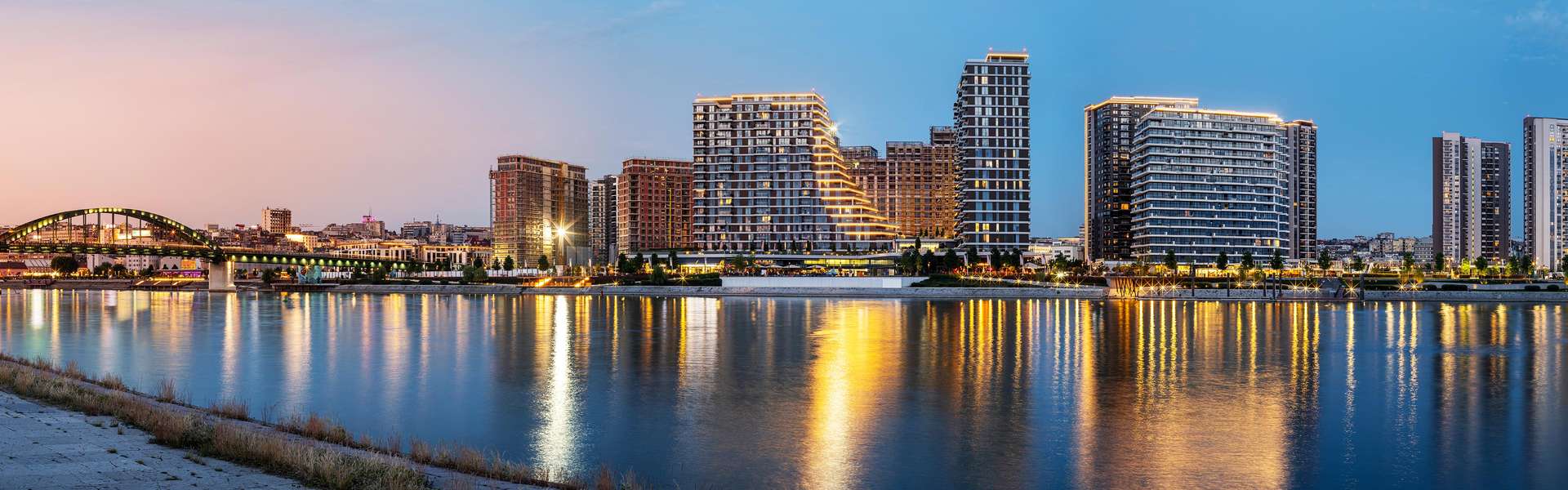
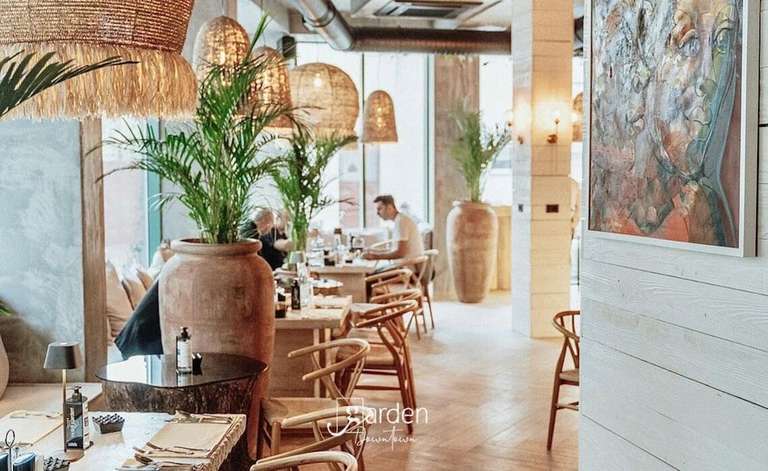
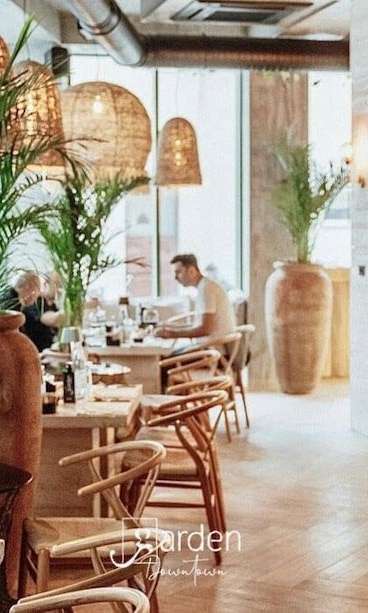
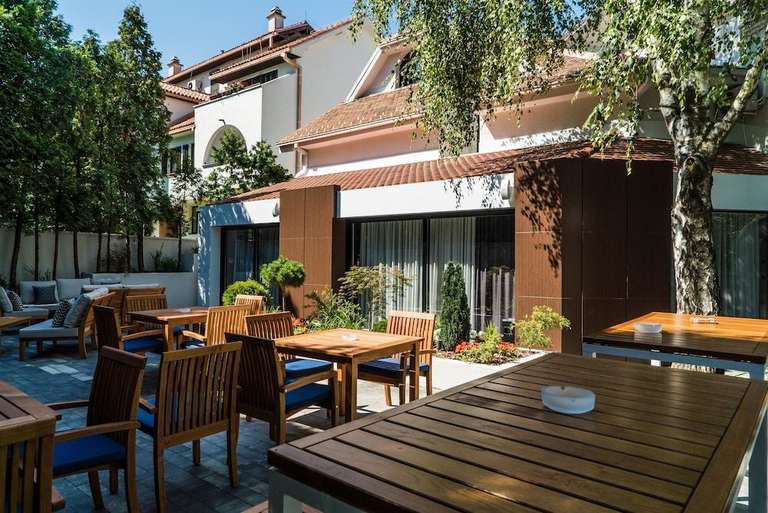
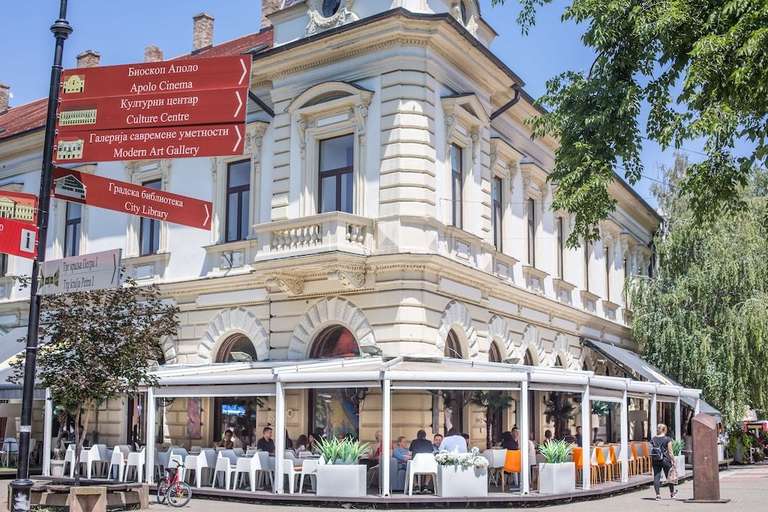
Dining in Serbia is as much about the ambiance as it is about the food. Imagine enjoying a meal in a kafana, a traditional Serbian tavern, where live folk music fills the air. Or, for a touch of romance, a dinner cruise on the Danube River offers stunning views alongside delicious cuisine. These experiences provide a taste of Serbian hospitality that's hard to forget.
Serbian beverages
Local wines and spirits
Serbia’s rolling hills and fertile valleys make it a prime location for winemaking. The local wine scene is flourishing, with prokupac and tamjanika being standout varietals. For something stronger, rakija-a fruit brandy often made from plums-is a must-try. It's not just a drink; it’s a tradition, often enjoyed as a warm welcome from hosts.
Popular non-alcoholic drinks
On the non-alcoholic front, Serbia offers šljivovica, a non-alcoholic plum juice, providing a refreshing break from the stronger stuff. Boza, a fermented beverage made from corn and wheat, is another local favorite with a sweet, tangy twist.
Dining etiquette and customs
Tipping practices
In Serbia, tipping is customary and appreciated. A tip of around 10% is standard in restaurants. However, rounding up the bill is often sufficient in more casual settings like cafes or bars.
Typical meal times
Serbians typically enjoy their meals later than what might be expected in the US. Lunch, the main meal of the day, is usually served between 1 PM and 3 PM, while dinner is often enjoyed from 8 PM onwards. This leisurely approach to dining is all about savoring both the food and the company.
Food festivals and events
Annual culinary festivals
Serbia hosts a variety of culinary festivals celebrating its rich food culture. The Belgrade Food Show is a highlight, showcasing the best in local produce and gourmet treats. Meanwhile, the Leskovac Grill Festival is a carnivore’s paradise, celebrating all things barbecue.
Wine and beer festivals
Wine enthusiasts should mark their calendars for the Oplenac Wine Harvest in the heart of Serbia’s wine country. Beer lovers will enjoy the Belgrade Beer Fest, one of the largest beer festivals in Southeastern Europe, offering a chance to sample a wide range of local and international brews.
Culinary tours and experiences
Food tasting tours
For those wanting to explore Serbian flavors in depth, food tasting tours offer a curated experience. These tours guide visitors through bustling markets, hidden eateries, and iconic food spots, providing a true taste of Serbia’s culinary diversity.
Cooking classes
Hands-on travelers can dive into the world of Serbian cooking with local cooking classes. Learn to make traditional dishes like burek or gibanica under the expert guidance of Serbian chefs. These classes not only teach cooking techniques but also share the stories and traditions behind each dish.
Exploring food and drink in Serbia is an adventure rich in flavors and experiences. Whether sipping on rakija, enjoying a meal in a kafana, or wandering through a lively food festival, Serbia offers a culinary journey that’s sure to satisfy the curious and the hungry alike.