Picture yourself strolling along the breathtaking coastlines of Jeju, South Korea, with its unique volcanic landscapes and stunning waterfalls. Known as the "Island of the Gods," Jeju offers a perfect blend of relaxation and adventure. Whether it's hiking up Hallasan Mountain or savoring the island's fresh seafood, this destination has something for everyone. Now's the time to check out those vacation packages and deals that make exploring Jeju even more irresistible. The island's charm and natural beauty are just a flight and hotel booking away, turning any travel lover's dream into reality.
Hotels, flights and partial stay options all help you make your trip your own.
You can save time and money with our vacation packages and exclusive deals.
Choose from more than 400 airlines and over 2 million places to stay worldwide.
You can reach our Customer Care Team anytime, 24 hours a day, 7 days a week.
Book the best deals on travel packages to Jeju today!
Dreaming of a getaway that combines stunning natural beauty with a dash of cultural intrigue? Look no further than Jeju Island, a gem off the southern coast of South Korea. Known for its volcanic landscapes, unique culture, and mouthwatering cuisine, Jeju is the perfect destination for those seeking a memorable escape. When planning your Jeju vacation, it's essential to know the best times to visit, how to get there, and what to expect culturally. Let's explore what makes Jeju a fantastic destination for travelers from the US.
Jeju Island is a year-round destination, but to make the most of your trip, timing is everything. The best time to visit Jeju for US travelers is during the spring months of April to June and the autumn months of September to November. These periods offer pleasant weather, fewer crowds, and stunning natural scenery with cherry blossoms in spring and colorful foliage in fall. July and August bring hotter temperatures and more tourists, so if tranquility is your goal, aim for the shoulder seasons.
Wondering how to get to Jeju from the US? While there are no direct flights, it's relatively easy to reach this island paradise. Most travelers fly into Incheon International Airport in Seoul and then catch a domestic flight to Jeju International Airport. The flight from Seoul to Jeju takes about an hour. Once you arrive, there are plenty of transport options to explore the island, including rental cars, buses, and taxis.
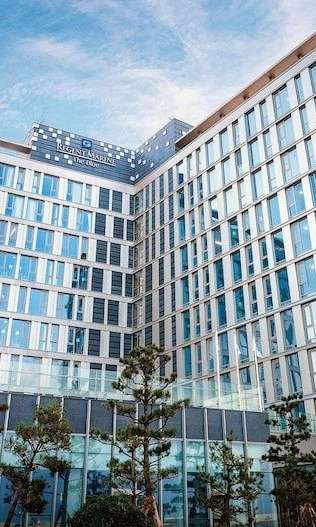
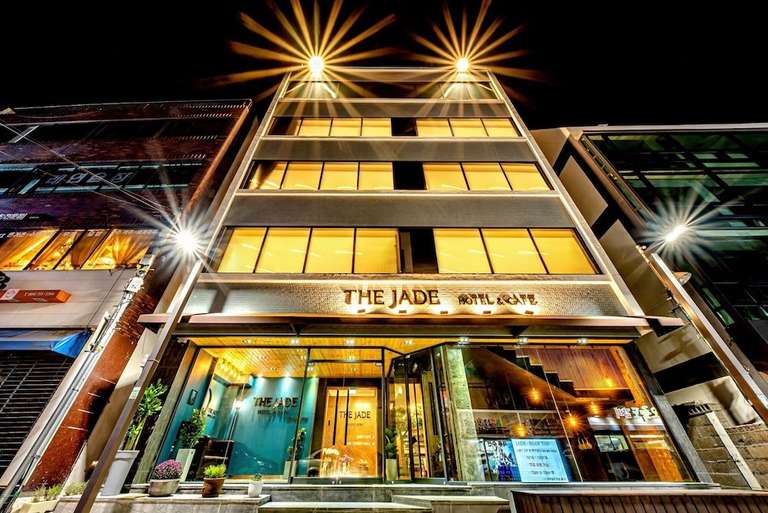
Jeju offers a wide range of accommodation choices to fit every budget and taste. Whether you're looking for luxury resorts with ocean views, charming guesthouses, or budget-friendly hotels, Jeju has it all. Many visitors enjoy staying in traditional Korean lodgings known as hanok, which provide a unique cultural experience.
When it comes to deciding where to stay, Jeju City and Seogwipo are popular choices. Jeju City, located in the north, is convenient for exploring urban attractions and offers easy access to the airport. Seogwipo, in the south, is perfect for nature lovers, with proximity to stunning waterfalls and hiking trails. Both areas offer a variety of dining and shopping options.
While Korean is the official language, many locals in tourist areas speak some English, especially in hotels and restaurants. When interacting with locals, a friendly smile and a few basic Korean phrases can go a long way. It's customary to bow slightly when greeting and to show respect to elders.
Jeju has its own distinct culture, including unique culinary traditions and folklore. The island is famous for its seafood, so be sure to try local dishes like fresh abalone or the iconic black pork. Also, don't miss the chance to visit the Haenyeo Museum to learn about the legendary female divers of Jeju.
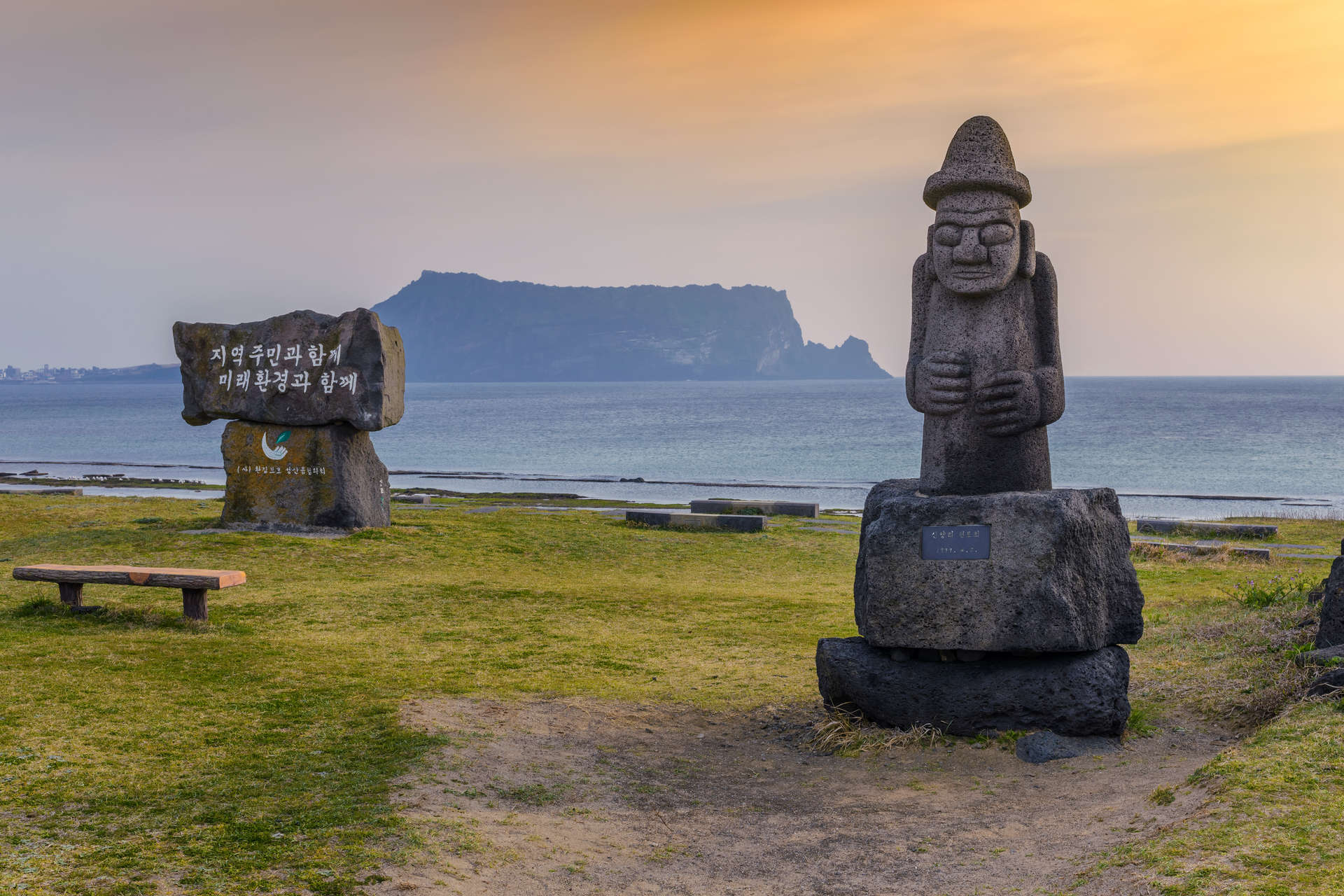
One quirky travel norm is the omnipresence of tangerine fields. Jeju is famous for its delicious tangerines, and you'll find them sold at roadside stalls everywhere. Another interesting aspect is the Dol Harubang, or "stone grandfathers," which are iconic stone statues scattered around the island and are said to offer protection.
The local currency is the South Korean won (KRW), but prices are often available in USD for comparison. Expect to pay around $10-$20 for a typical meal and $30-$40 for mid-range accommodation per night. Credit cards are widely accepted, but it's always a good idea to carry some cash for smaller vendors.
Getting around Jeju is relatively easy, thanks to a reliable public bus system that connects major attractions. If you prefer more freedom, renting a car is a popular choice, allowing for convenient exploration at your own pace. Taxis are also readily available and are a good option for short trips.
Jeju Island promises an unforgettable vacation with its stunning landscapes, rich culture, and warm hospitality. Whether you're planning a relaxing retreat or an adventure-packed itinerary, Jeju is sure to captivate and inspire.
Nestled off the southern coast of South Korea, Jeju Island is a treasure trove of natural wonders, cultural landmarks, and delightful culinary experiences. Often hailed as the "Hawaii of South Korea," Jeju offers a diverse array of attractions and activities that cater to all kinds of travelers. From the breathtaking views of Hallasan National Park to the quirky charm of the Teddy Bear Museum, here’s a round-up of the best things to do in Jeju for an unforgettable adventure.
Dominating the island’s skyline, Hallasan Mountain is a must-visit for nature lovers. The park offers a variety of hiking trails, each providing stunning vistas of volcanic landscapes and lush vegetation. Reaching the summit rewards hikers with panoramic views that make the effort worthwhile.
Venture underground into the Manjanggul Lava Tube, one of the longest of its kind in the world. This UNESCO World Heritage site stretches over 8 miles, though only a portion is open to the public. The tube’s incredible formations and the cool, damp air provide a surreal experience.
Known for its majestic sunrises, Seongsan Ilchulbong is a tuff cone crater formed by volcanic activity. A hike to the top is rewarded with breathtaking views of the ocean and surrounding landscapes. Early risers are in for a treat as the first light of day paints the sky in brilliant hues.
The Olle Trails are a network of pathways that weave through Jeju’s diverse terrain. With routes ranging from coastal paths to forest trails, there’s something for every level of hiker. These trails offer a unique way to explore the island’s natural beauty at a leisurely pace.
With its white sands and crystal-clear waters, Hyeopjae Beach is the perfect spot for a relaxing day by the sea. The shallow waters make it ideal for families, and the nearby Hallim Park offers additional attractions to explore.
Framed by dramatic cliffs, Jungmun Saekdal Beach is a favorite among surfers and beachgoers alike. The vibrant blue waters and unique black and red sand make for a stunning backdrop, providing plenty of opportunities for memorable photos.
Step back in time at Jeju Folk Village, where traditional Korean culture comes to life. With over 100 authentic houses and buildings, visitors can see how locals lived during the 19th century. The village often hosts performances and workshops, offering a hands-on cultural experience.
Dedicated to the island’s geological and cultural history, Jeju Stone Park is a fascinating open-air museum. The park features an impressive collection of stone sculptures and installations that reflect the island’s volcanic origins and local folklore.
Renowned for its tranquil beauty, the Spirited Garden is a haven for nature enthusiasts. This meticulously landscaped garden showcases a variety of bonsai and is a perfect spot for a peaceful stroll or a moment of reflection.
Whimsical and fun, the Teddy Bear Museum showcases an extensive collection of teddy bears from around the world. The exhibits feature everything from historical figures to pop culture icons, all in bear form, making it a charming stop for families.
For a more unconventional attraction, Jeju Loveland offers a playful exploration of sensuality and eroticism. This adult-themed sculpture park features over 140 pieces that are sure to spark curiosity and laughter.
Tea lovers will appreciate a visit to the O'sulloc Tea Museum, where the rich history and culture of tea in Korea are on display. Visitors can learn about the tea-making process, sample various teas, and even take part in a traditional tea ceremony.
A culinary highlight of Jeju, black pork is known for its tender, flavorful meat. Often grilled at local barbecue joints, this dish is a must-try for any food enthusiast visiting the island.
Jeju’s coastal location ensures an abundance of fresh seafood. Local markets offer a wide variety of delicacies, from grilled abalone to spicy seafood stews. Sampling these dishes is an essential part of the Jeju experience.
Explore Jeju’s scenic landscapes on horseback for a unique perspective of the island. Several ranches offer guided tours, catering to riders of all skill levels.
For thrill-seekers, paragliding offers an exhilarating way to see Jeju from above. Soaring over the island’s stunning landscapes provides an unforgettable adventure and a true sense of freedom.
Celebrating the island’s agricultural traditions, the Jeju Fire Festival is a vibrant event featuring bonfires, traditional performances, and fireworks. Held annually in early spring, it’s a fantastic opportunity to experience local culture and festivities.
In spring, Jeju transforms into a pastel wonderland as cherry blossoms bloom across the island. The Cherry Blossom Festival celebrates this natural spectacle with events and activities, offering a picturesque setting for leisurely walks and picnics.
With its rich tapestry of natural beauty, cultural heritage, and modern attractions, Jeju Island promises an unforgettable journey for every traveler. Whether it’s hiking volcanic craters, savoring local delicacies, or lounging on pristine beaches, Jeju offers a unique blend of experiences that are sure to inspire and delight.
Picture this: a gentle sea breeze, lush landscapes, and a culinary scene that’s as vibrant as the island itself. Welcome to Jeju, South Korea's picturesque island paradise where food and drink take center stage. Known for its unique local flavors and culinary traditions, Jeju offers a rich palette of taste experiences that are sure to thrill any food lover. Whether it's the zest of Hallabong citrus or the savory delight of Jeju black pork, the island's specialties are not to be missed.
Jeju Island's climate is perfect for growing Hallabong, a citrus fruit that’s a cross between an orange and tangerine. Its sweet, tangy flavor can be found in everything from desserts to refreshing drinks. Locals and visitors alike rave about Hallabong-flavored chocolates and pastries, making them ideal souvenirs to take back home.
One of Jeju’s most famous culinary offerings is its black pork. Known for its distinct flavor and tender texture, this pork is a must-try for any meat lover. It's often grilled and served with traditional Korean sides like kimchi and pickled radish, creating a harmonious blend of flavors that’s truly unforgettable.
Surrounded by the ocean, Jeju is a seafood lover's paradise. From abalone to sea urchin, the island offers a bounty of fresh catches. The seafood here is often served raw or in savory stews, showcasing the freshness of the ingredients. Don’t miss a chance to indulge in Jeju's seafood hotpot - it’s a warming delight especially on a cooler evening.
Beyond pork and seafood, Jeju is home to traditional dishes that reflect its rich heritage. Dishes like Jeju-style bibimbap, made with seasonal vegetables and a spicy sauce, and heuk-dwaeji galbi, a grilled black pork rib dish, highlight the island's culinary diversity.
For an authentic taste of Jeju, a visit to its bustling local markets is a must. These vibrant places are filled with vendors selling everything from freshly caught seafood to traditional snacks. The Dongmun Market, in particular, is a treasure trove of street food delights.

If fine dining is more up your alley, Jeju doesn't disappoint. Upscale restaurants across the island offer innovative takes on traditional dishes, often incorporating local ingredients into their menus. Expect to pay around $50 to $100 for a memorable dining experience in these establishments.
Jeju's fertile land and coastal resources provide the perfect backdrop for farm-to-table dining. Several restaurants on the island focus on sustainability, serving dishes made from ingredients sourced directly from local farms. Dining here not only supports local agriculture but also offers a genuine taste of Jeju’s bounty.
Tea culture is alive and well in Jeju, with green tea plantations dotting the landscape. The island’s tea houses offer a serene setting to enjoy a cup of freshly brewed tea. Traditional drinks like omija tea, made from five-flavor berries, provide a unique taste experience that’s both sweet and slightly tart.
Jeju’s craft beer scene is bubbling with creativity. Local breweries produce a range of beers that often feature regional ingredients, like tangerine peel. The island is also home to distilleries producing soju, Korea’s signature spirit, which can be sampled in various flavors.
For those eager to explore the island’s culinary landscape, guided food tours offer an immersive experience. These tours take visitors through markets, restaurants, and hidden gems, providing insights into Jeju’s food culture and history.
Why not bring a piece of Jeju back to your own kitchen? Cooking classes are a fantastic way to learn how to prepare traditional dishes using local ingredients. Participants can expect to pay around $50 for a hands-on experience that’s both educational and fun.
Jeju’s food festivals are a celebration of the island’s culinary heritage. Events like the Jeju Food and Wine Festival showcase the best of local cuisine and attract food enthusiasts from all over the world. These festivals are perfect for tasting a wide variety of dishes in one vibrant setting.
Each season in Jeju brings its own culinary specialties. Spring is the time for wild greens, while summer brings an abundance of fresh seafood. Fall is perfect for harvesting Hallabong, and winter is all about hearty stews. Whenever you visit, there’s always something delicious to discover.
Jeju Island offers a culinary adventure that’s as diverse as its landscapes. Whether indulging in its famed black pork or sipping on locally brewed beer, the food and drink experiences here are sure to leave a lasting impression.
The most popular places to visit in Jeju are: Dongmun Market, Jeju Stadium, Chilsungro Shopping Town.
Booking a flight + hotel package to Jeju with lastminute.com offers several advantages. By booking both services together, you can take advantage of exclusive deals and choose from thousands of flights and accommodations for the perfect combination. Additionally, you can secure your vacation with a deposit and pay the remaining amount later. You also have the flexibility to add other travel extras such as insurance, rental cars, and luggage to the flight + hotel package as per your preferences.
Support and useful information
Secure payment