History
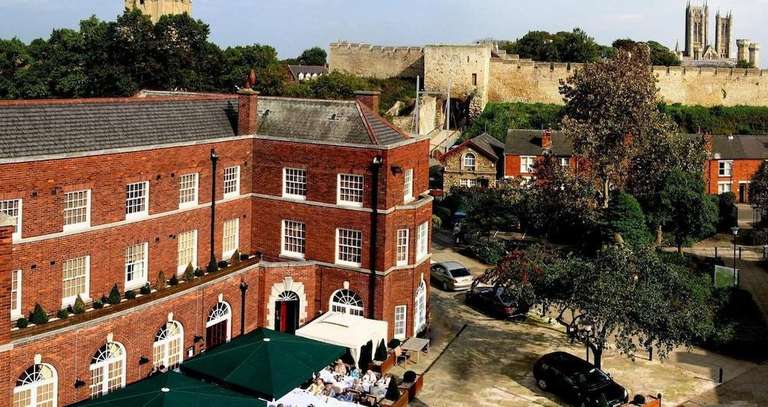
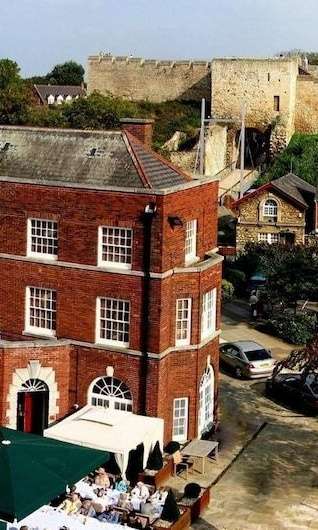
Lincoln, one of England's oldest cities, has a history dating back to the Iron Age. During the Roman era, it was initially founded as a settlement for army veterans. After the Norman Conquest in 1066, Lincoln Castle was built on the site of a former Roman fortress. Today, the castle is a major historical attraction in Lincoln, with a museum inside that showcases the fortification's exciting medieval and post-medieval history.
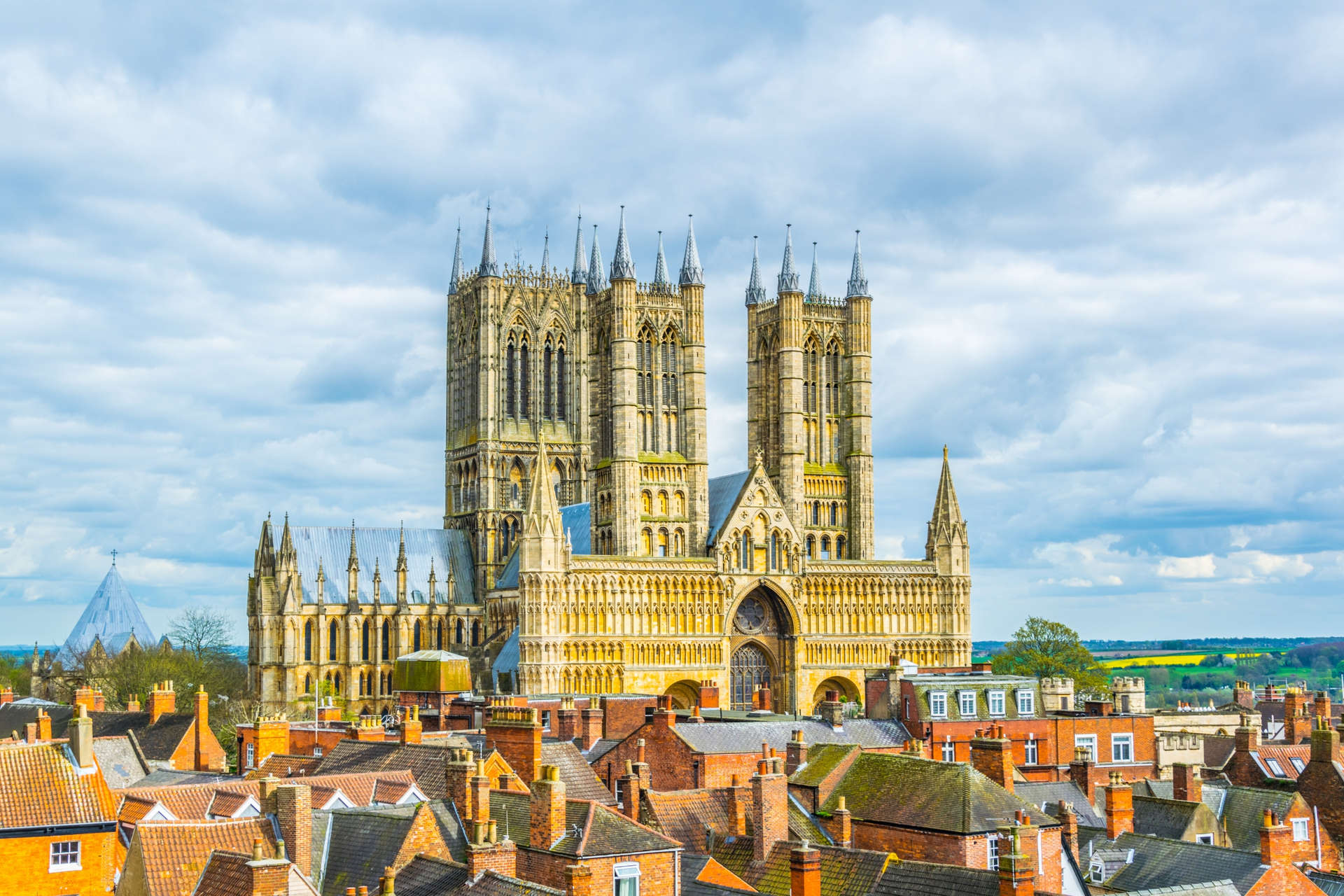
Just a short walk from Lincoln Castle is Lincoln Cathedral, the city's most iconic landmark. Dominating the skyline, the cathedral is one of Europe's most renowned Gothic structures. Also commissioned by William the Conqueror after the Norman Conquest, it was consecrated in 1092. Despite fires and natural disasters, the cathedral underwent renovations over the centuries. It houses one of the four remaining copies of the Magna Carta and is filled with fascinating sculptures and chambers—best explored on one of the regular tours offered.
Lincoln offers numerous other historical points of interest. The 16th-century Guildhall arches over the main high street, with free guided tours available throughout the week. Nearby, the High Bridge, dating back to 1160, is the oldest bridge in the UK still featuring buildings on it. Just outside the city, Cogglesford Watermill, with a history extending back to Anglo-Saxon times, is a great spot for a day trip.
Shopping
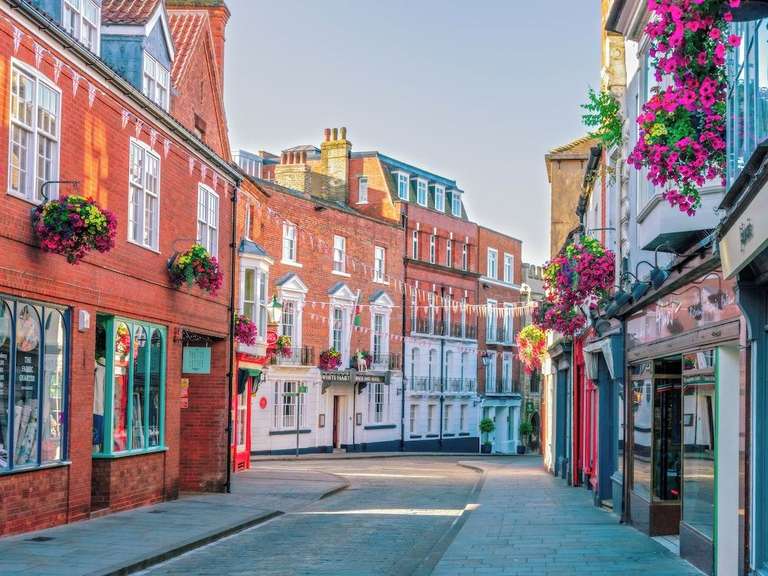
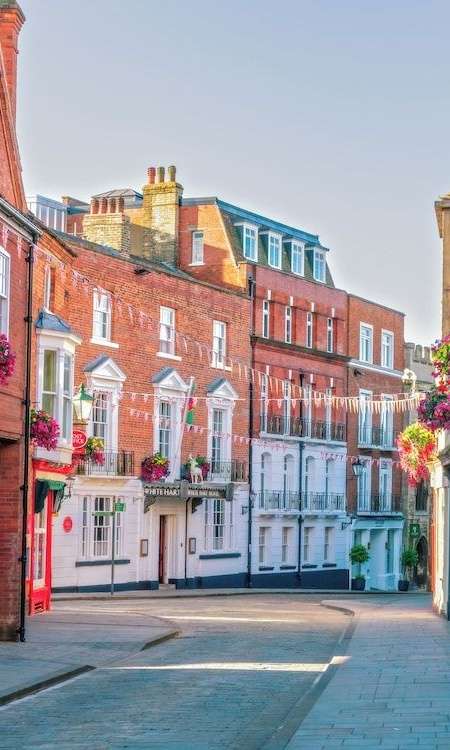
Lincoln is a fantastic place for shopping, whether you're browsing along the historic High Street or exploring small boutiques near the waterfront. Bailgate in the Cathedral Quarter is packed with charming independent shops along cobbled streets, and the area around the cathedral hosts regular farmers' and craft markets, as well as the annual Christmas Market.
Entertainment
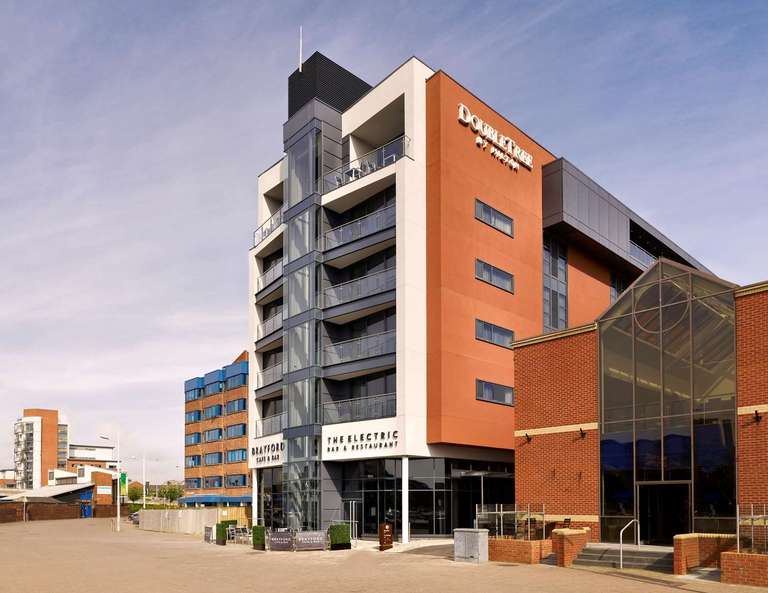
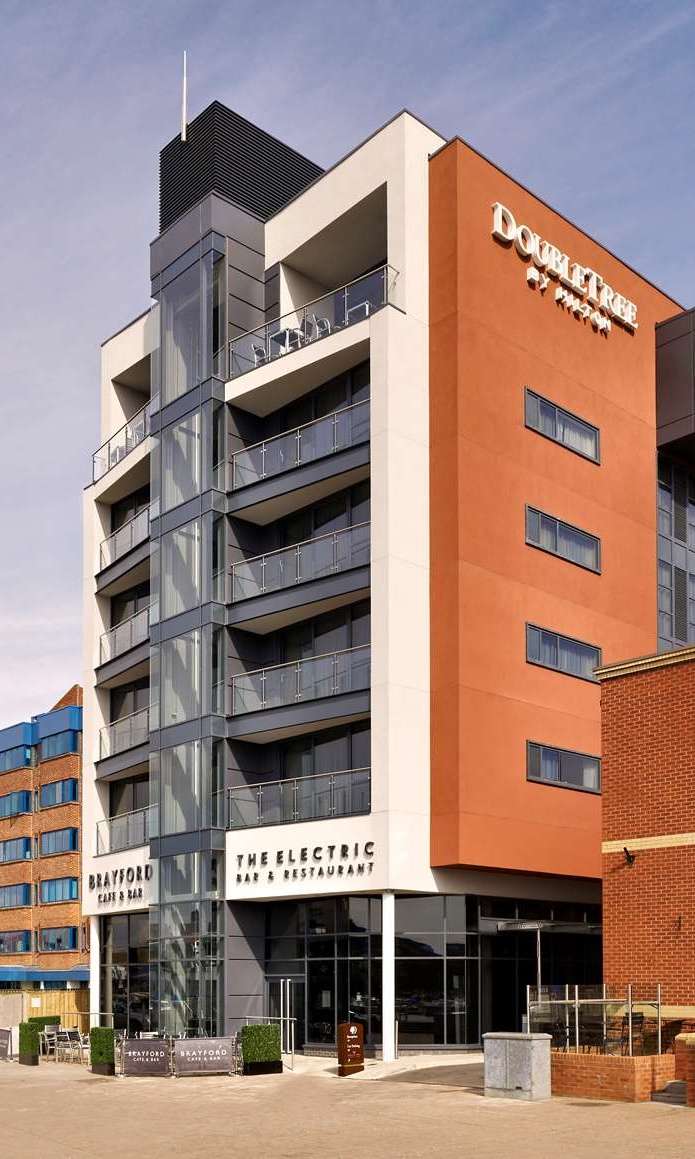
Beyond the historical attractions in the Cathedral Quarter, Lincoln is a modern city offering all the restaurants, cafés, and bars you'd expect in contemporary life. The Brayford Waterfront is a lovely spot to stroll at night and features the Odeon cinema complex along with various pubs and nightclubs. Nearby, close to Lincoln University, is the Engine Shed—the largest live music venue in the region and an excellent place for live bands, comedy shows, and student club nights.
Further afield
If you're traveling by car, Lincoln is ideally positioned for exploring the surrounding area. Head east, and you'll reach the Lincolnshire Wolds, designated an Area of Outstanding Natural Beauty. Continue on, and you'll arrive at the seaside town of Skegness. Driving north from Lincoln leads to Scunthorpe, while heading west takes you to Sheffield, the largest city in the area, home to the Millennium Gallery, Kelham Island Museum, and the Crucible Theatre.